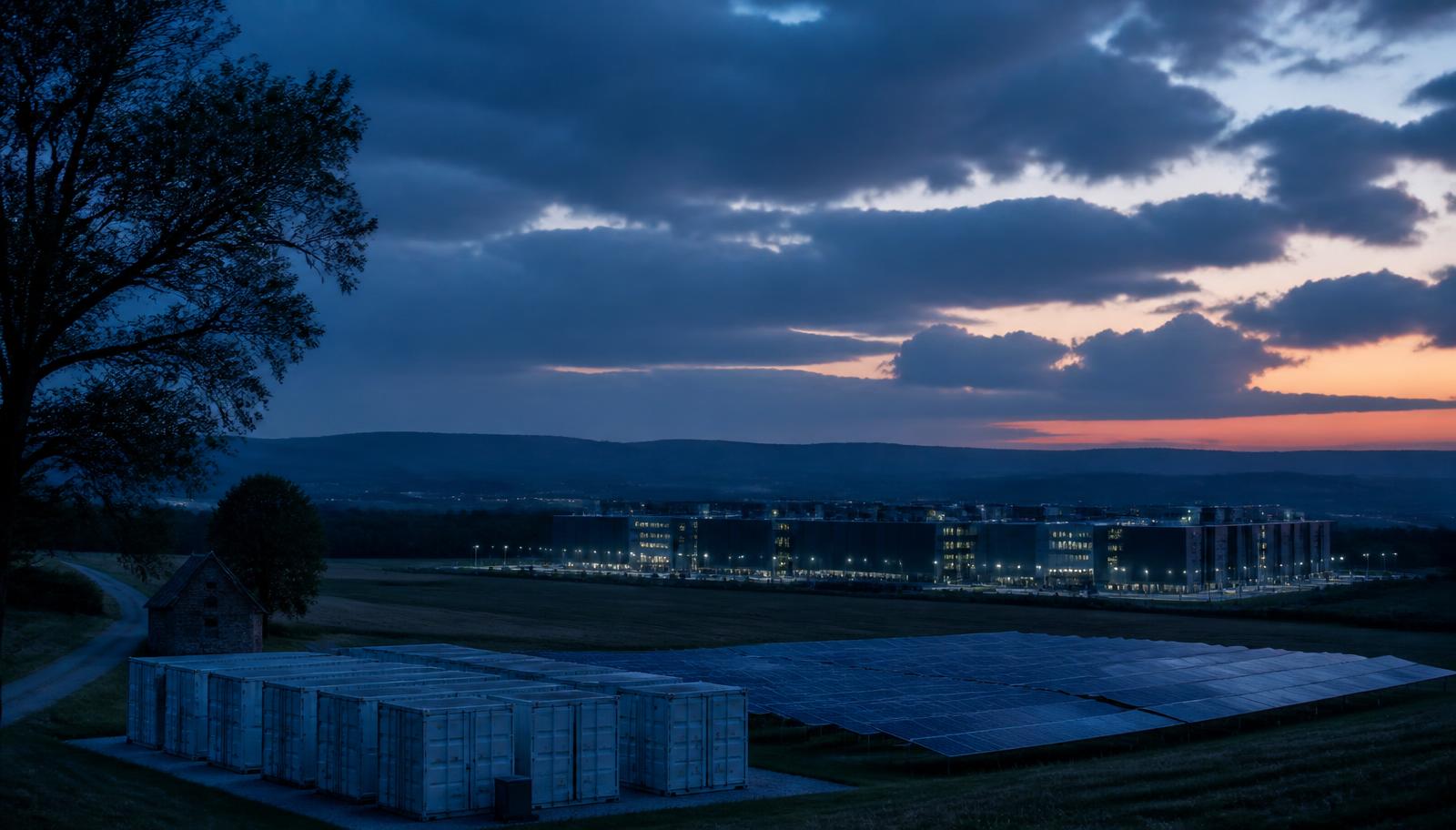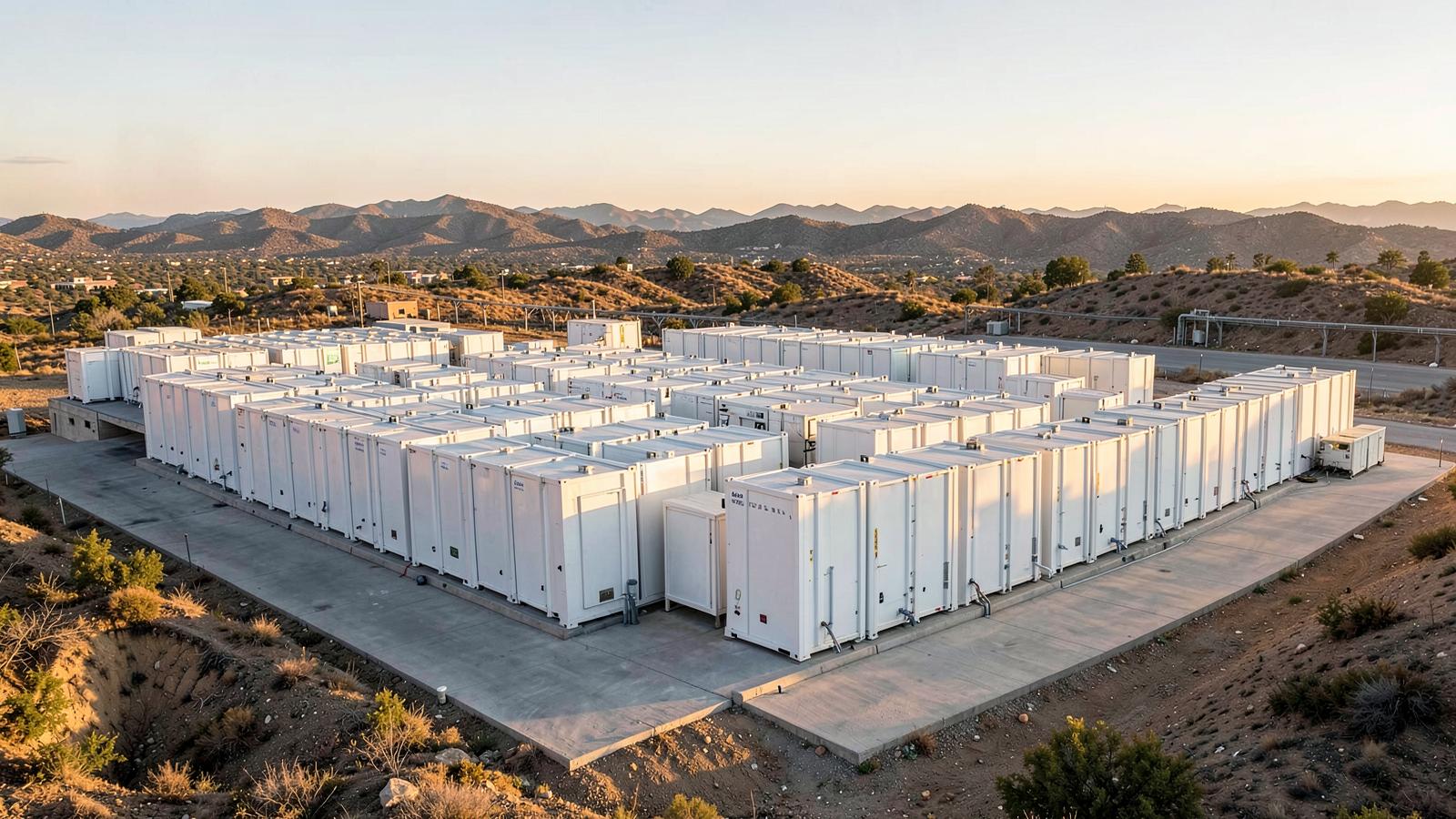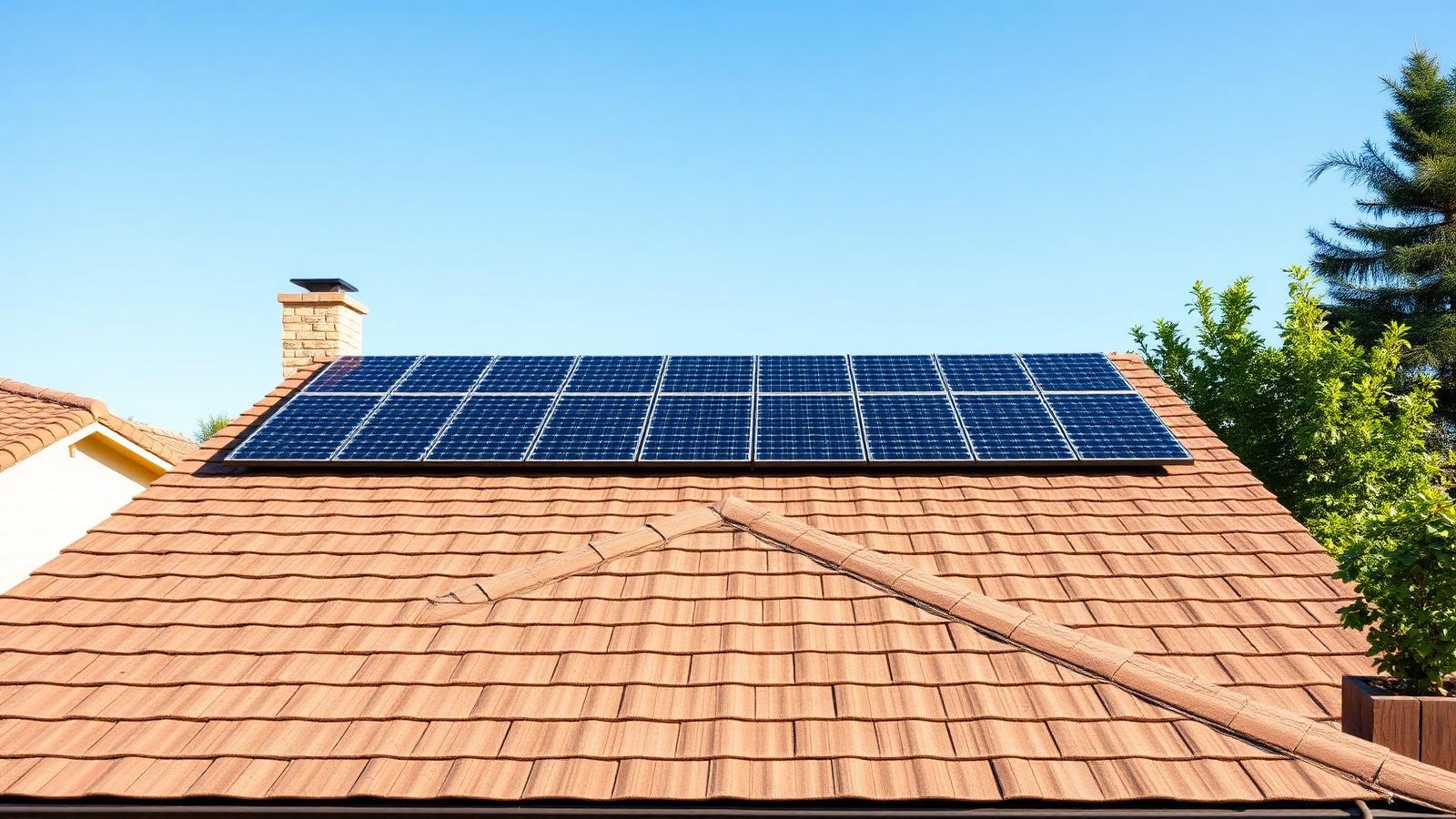


Once a promising location has been identified, the next big question is: Can we actually build this here?
For clean tech teams, this is where a specific parcel, house, or commercial building gets evaluated to determine if the proposed system is viable - both technically and legally.
It's not just about production potential or customer demand. It's about confirming whether the system that's been sold - batteries in the garage, ground mounts, a specific system size - can actually be permitted under local code.
What Site Assessment Looks Like Today
Site assessment often starts with a high-quality lead and a high-potential site. The system is modeled, the customer is on board, and everything looks great - until local rules get in the way.
Teams today are left scrambling to confirm:
- Is a garage battery install allowed in this AHJ?
- Do fire setbacks reduce the maximum system size?
- Are there local design rules - like height limits or facade restrictions - that affect our proposed layout?
And more often than not, the answers are hard to find - buried in PDFs, scattered across outdated AHJ websites, or pieced together in a shared Excel spreadsheet that hasn't been updated in months.
This is where the sales process starts to break down. When unknowns pop up late in the game, projects get delayed or scaled back, and trust erodes.
This is the phase where teams want no surprises.
How Fordje Helps
Fordje gives solar sales and development teams a way to validate what's possible on a specific site - early in the sales process.
Using the Synthesize Tool, teams can:
- Select key AHJ data points like fire setbacks, system sizing caps, battery location requirements, and zoning overlays
- Plug them directly into solar sales tools like Aurora Solar, or reference them alongside Raptor Maps imagery and parcel data
- Quickly determine if what's been sold can actually be built. And if not, adjust the proposal or open a conversation with the customer
This early check helps teams avoid over-promising and sets clearer expectations from day one. Instead of discovering constraints during plan review or permit submission, Fordje surfaces them up front.
Who Uses It
- Residential and C&I solar sales teams
- Business Development
The Outcome
Site assessment is where deals are won or lost. The fastest way to lose momentum is to hit an AHJ surprise late in the process.
Fordje helps teams:
- Validate feasibility at the same time a deal is being structured
- Align system proposals with real local requirements
- Protect timelines, budgets, and customer trust
In our next post, we'll explore how teams carry that context forward into Design and Engineering, making sure what gets drawn is ready to submit.