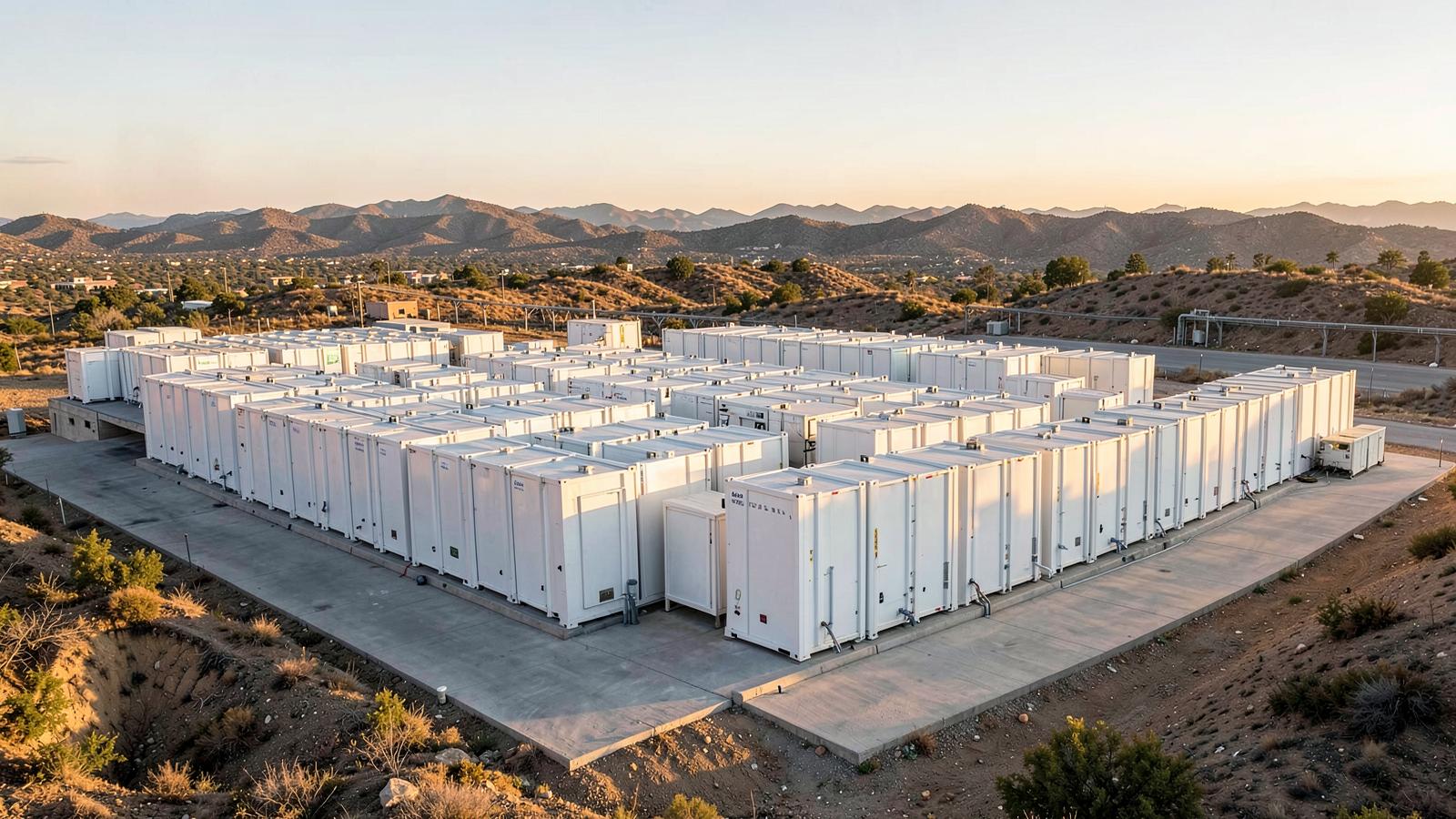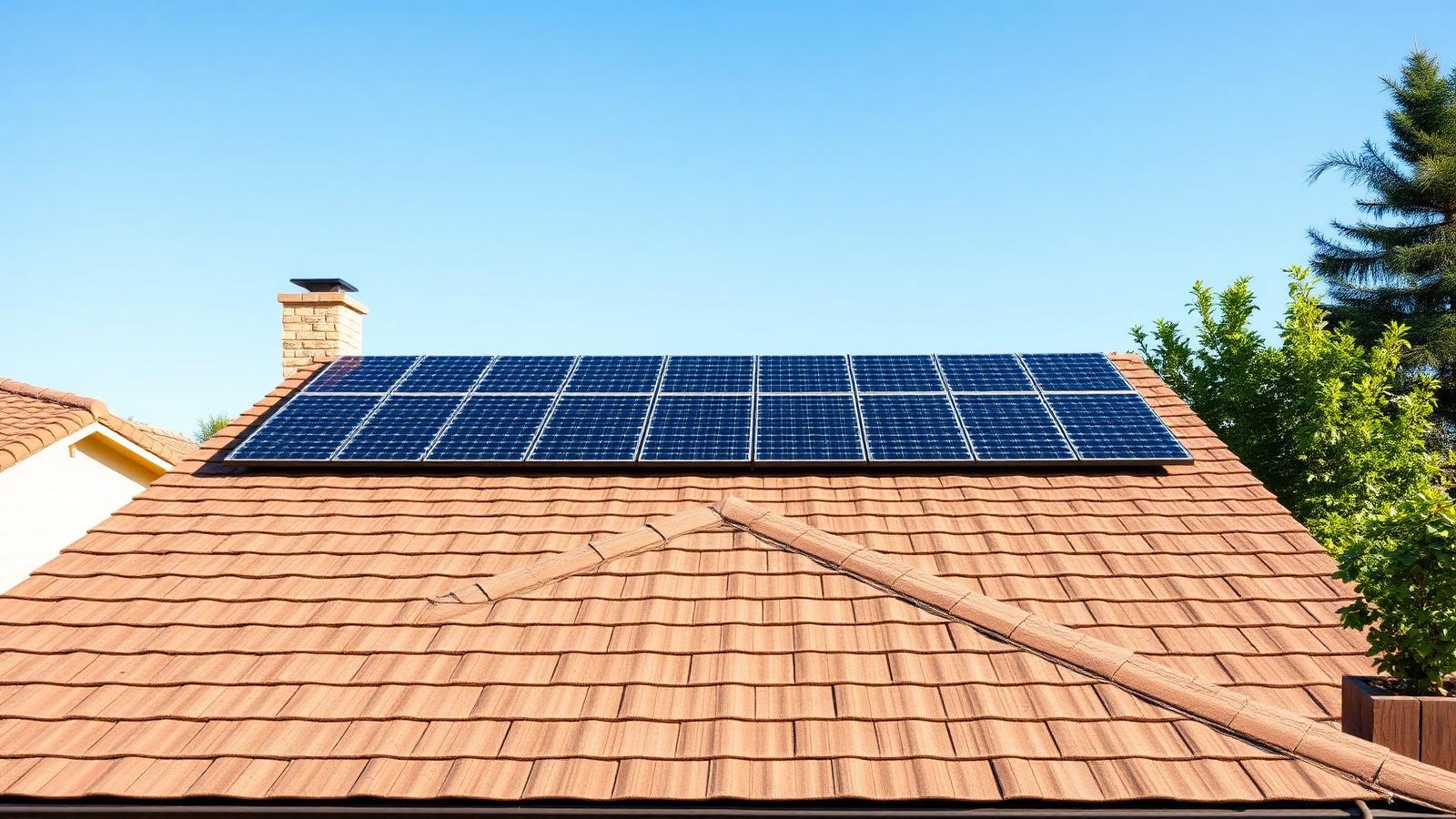

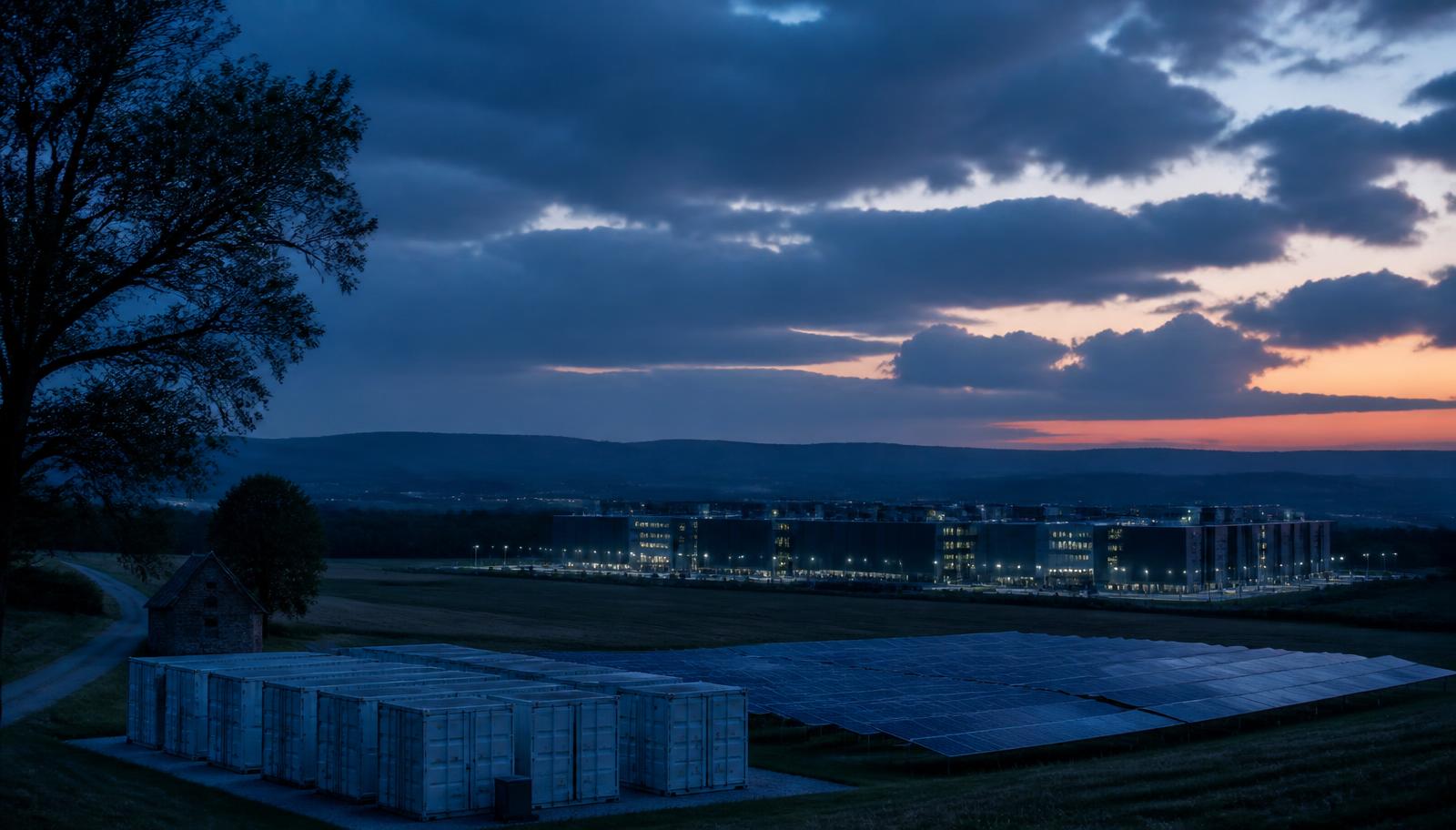
Pennsylvania is an early indicator of growing local support for solar, BESS, nuclear, and other energy solutions connected to data-center development. That support could become a meaningful growth opportunity for C&I and utility-scale developers.
Community concerns shine through as we parse through utility scale and C&I solar/storage regulations. The major ones are "Will this affect my electricity bills and availability?" "How will this affect my water?" and "How much noise will this create in my area?"
Those concerns are now appearing in state policy, utility tariffs, local ordinances, and draft zoning rules.
At the state level
At the state level, PPL Electric's LP-6 tariff, effective July 1, applies to qualifying large-load customers in PPL territory. It requires long-term service commitments, financial security, responsibility for certain grid-upgrade costs, minimum-load guarantees, and the ability to separate noncritical load for curtailment.
PA Senate Bill 146 (Act 21), enacted in July, requires data centers with at least 10 MW of peak demand to report annual energy and water use beginning in 2027. This gives regulators a stronger basis for making future decisions about infrastructure, ratepayer protection, water, and environmental impacts.
Executive Order 2026-05 is the clearest state-level signal. It establishes standards for energy affordability, community engagement, workforce and economic development, transparency, and environmental protection, while giving local municipalities a greater role in the approval process.
The order directs DEP to incorporate Pennsylvania's GRID Requirements into its review of new data-center projects. Developers that choose the GRID pathway must make those commitments legally enforceable through a project-specific Consent Order and Agreement. The requirements address incremental power capacity, project-related grid costs, water protections, backup generation, and an increasing share of Pennsylvania clean-firm energy, including nuclear, hydro, and geothermal resources. The target starts at 10% and rises to 32% by 2035.
The order changes the permitting sequence: DEP cannot issue qualifying permits until required local approvals are secured. Projects that do not enter into a GRID agreement face a less streamlined review process, with local approvals and required water authorizations needed before DEP begins its review.
It also removes data-center projects from Pennsylvania's Fast Track permitting program and prohibits state agencies from using nondisclosure agreements for data-center projects.
The result is a meaningful shift: local approvals, energy and water planning, infrastructure costs, and community commitments are becoming part of the state permitting process, not issues addressed after the project is designed.
Where it shows up locally
The local ordinances are where the support for alternative energy becomes most visible.
Hampden Township's ordinance includes sustainability measures such as renewable energy, efficient cooling, and backup-power provisions. It requires proof that the electric system has enough capacity to serve the data center without undermining projected load growth for the rest of the service area. It allows photovoltaic equipment, limits backup generation to natural gas, and imposes battery-safety requirements when storage is proposed.
Montour County's ordinance encourages applicants to provide their own generation and identifies solar, wind, fossil, and even nuclear generation as possible separate uses. It requires proof of adequate grid capacity and makes the developer responsible for infrastructure upgrades caused by the project.
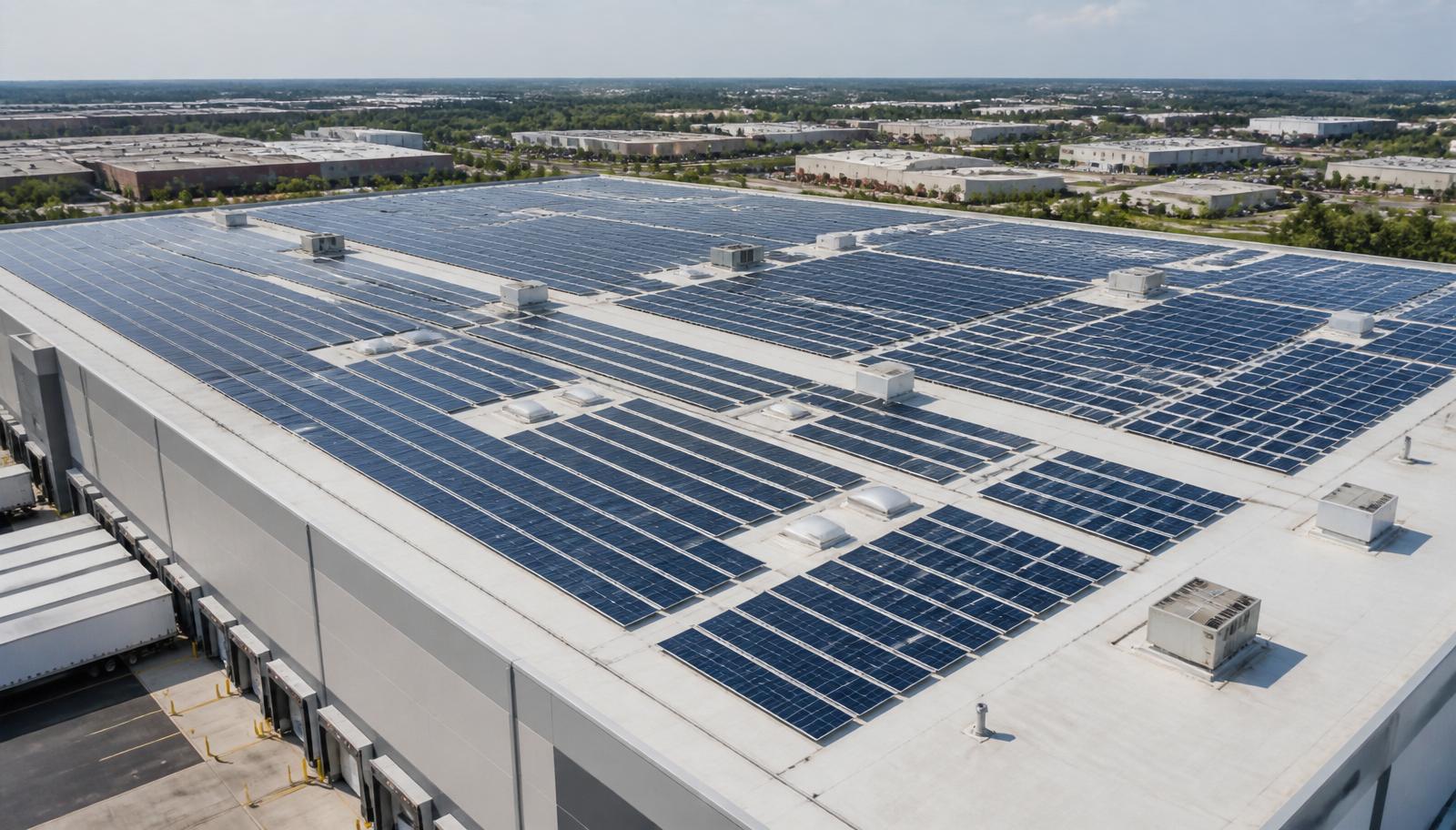
North Annville Township's draft ordinance goes further. It states that 25% of the roof must have solar panels for energy generation. It also allows other generation, including nuclear, to be treated as a separate use requiring zoning approval. The draft requires utility-capacity documentation, disclosure of impacts on electric rates and availability, and detailed water review.
Marple Township, among others, is discussing taking a similar issues-first approach that other cites int the Pittsburgh-area are following.
What local governments are asking for
The takeaway is clear: local governments are looking for data centers to bring more to the table than a request for grid service.
They are asking for:
- additional energy supply;
- proof of available grid capacity;
- payment for project-caused infrastructure;
- flexibility during grid emergencies;
- water-supply and wastewater protections;
- lower-noise cooling and backup systems; and
- credible plans for batteries, solar, clean firm power, or other supplemental generation.
That is creating a support-driven opportunity for solar, BESS, nuclear, behind-the-meter generation, demand response, microgrids, and related infrastructure.
The market is not being created solely by a statewide mandate. It is being created by the practical need to make data-center projects acceptable to communities, utilities, and local decision-makers.
Pennsylvania is showing an early version of that market: data centers need power, communities want protection, and clean energy and storage developers may be able to help bridge the gap.